 Here in Silicon Valley, we all recognize that the cost of living is high. During our working years, employment income helps offset those expenses. But retirement changes the equation. When earned income stops, most people rely on Social Security, a pension if they are fortunate, distributions from retirement accounts, or income from rental property. For many families, the real financial pressure begins when health needs change and additional care becomes necessary. That may be sufficient for a time, until health begins to decline.
At that point, families are faced with both financial and emotional decisions. What does care cost in Santa Clara County? When does it make sense to remain at home with help, and when is it better to transition to a senior living community that provides meals, housekeeping, transportation, and assistance with personal care? And if more advanced support becomes necessary, what is the plan?
It is important to first clarify terms that are often used interchangeably but mean very different things. For example, home care refers to non-medical assistance provided in a private home or within a senior community. Caregivers help with daily tasks such as dressing, bathing, meal preparation, light housekeeping, laundry, companionship, and mobility. While some caregivers may be Certified Nurse Assistants, most are unlicensed care aides.
Home care is privately paid, although it may be supplemented by long-term care insurance or Veterans Administration benefits. In Santa Clara County, hourly rates commonly range from $40 to $50 per hour. When care needs increase to full-time or 24-hour support, the monthly cost can exceed $29,000, which often prompts families to consider other options.
Home health care, by contrast, is medical in nature. It is provided by licensed professionals such as Registered Nurses or Licensed Vocational Nurses and may also include physical therapy, occupational therapy, and other rehabilitative services. Home health care is typically covered by Medicare when ordered by a physician, often following a hospitalization or discharge from a skilled nursing facility. It is intermittent and short-term, designed to address specific medical needs rather than provide ongoing daily support.
When remaining at home becomes difficult or impractical, families often begin exploring senior living communities. There are several types of communities to consider.
Independent Living communities are designed for active seniors who do not require daily personal assistance but prefer the convenience of meals, housekeeping, transportation, and social activities. Assisted Living includes all the benefits of Independent Living while adding help with Activities of Daily Living such as dressing, bathing, toileting, medication management, and transfers between beds, chairs, and toilets.
Independent and Assisted Living are frequently offered within the same community, allowing residents to transition as their needs increase. Both are privately paid. In Santa Clara County, Assisted Living commonly ranges from $7,000 to over $10,000 per month, depending on the level of care required.
Memory Care is a specialized form of Assisted Living designed for individuals with Alzheimer’s disease or other forms of dementia. These communities provide a secure environment and staff trained specifically in cognitive impairment care, along with structured programming tailored to memory support. Because of the enhanced staffing and security, Memory Care typically costs more than traditional Assisted Living and is also privately paid.
The highest level of residential care is Skilled Nursing. Skilled Nursing Facilities provide 24-hour licensed nursing supervision, including Registered Nurses on site, along with LVNs and Certified Nurse Assistants who deliver daily care. These facilities are often used for short-term rehabilitation after hospitalization. Medicare may cover up to 100 days of skilled care if eligibility requirements are met.
Once Medicare coverage ends, individuals who continue to require a high level of assistance must either pay privately, which in Santa Clara County can exceed $18,000 per month, or apply for Medi-Cal if they meet the asset test requirements.
Deciding when to move from home into a senior community is rarely a pure financial decision. Safety concerns, caregiver burnout, social isolation, and the unpredictability of escalating home care costs all play a role. While remaining at home may feel emotionally reassuring, extensive in-home support can quickly become more expensive than Assisted Living. Conversely, someone with minimal needs may find home care to be both practical and cost-effective.
The key is proactive planning. In a region like Silicon Valley, where longevity and high living expenses intersect, retirement planning must include not only an income strategy but also a thoughtful, realistic plan for future care. Ultimately, the goal is not simply affordability, but quality of life.
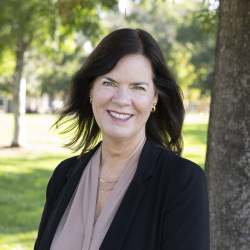
If you have any of these questions or other senior issues you want help with, please contact Geriatric Care Manager Dedra Jize at Litherland, Kennedy & Associates. The first 15-minute consultation is free/no obligation. Dedra can be reached at dedra@attorneyoffice.com or (408) 356-9200, ext. 4.
- The Cost of Care: Understanding Senior Living Options - March 5, 2026
- Interview with Dementia Counselor Tami Anastasia (VIDEO) - March 19, 2022
- Cruising During a Pandemic - March 1, 2022
