Clients create Estate Plans to work in a certain way. They raise their concerns with the drafting attorney and a qualified Estate Planning attorney includes safeguards to ensure that the plan works as intended and desired yet contains provisions flexible enough to change if circumstances require a change. Almost all of us have read or heard of cases in which the plan did not work as intended and litigation ensured. In fact, we often read about them in the news. The Diller v. Richardson case represents an important lesson for attorneys and consumers alike about what happens when an attorney decides to ignore their responsibilities to a client and helps another client obfuscate an Estate Plan. Read on to learn more.
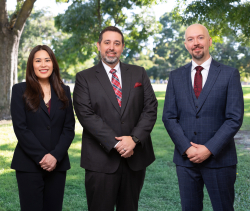
Litherland, Kennedy & Associates have been providing quality estate planning services in the Greater Bay Area since 1975. They are committed to helping those concerned with protecting their families from the devastating legal effects of incapacity and death. With the aid of public seminars, educational presentations, articles, and radio/television interviews, the law office has championed the use of revocable living trusts as a proven way to protect families from probate, to minimize or eliminate federal estate taxes, and to prevent the Medi-Cal Recovery lien Read More!
Latest posts by Litherland, Kennedy & Associates, APC, Attorneys at Law (see all)
- What Are the California Statutory Probate Fees? - October 13, 2026
- A Discretionary Trust Can Protect an Unprepared Heir - October 8, 2026
- Is Your Estate Plan Living in the Past? 10 Signs It May Be Time for an Update - October 1, 2026
